Building Air Tightness Testing and Everything you Need to Know
What is Air Tightness Testing?
The process of building air tightness testing is the preferred and suggested method used to measure the extent of air that gets lost due to the leaks in fabric of the building. It is also known as air pressur testing or air leakage testing.
Air leakage is basically infiltration or draughts, which is the uncontrolled flowing of the air through the cracks and gaps in the building fabric. This has nothing to do with the ventilation, as it is more or less flow of air that is controlled.

Air Tightness Testing and when it is Required?
The air tightness test of the building is facilitated after the construction process has been completed. This test is performed to meet the building standards and regulations. The results obtained from the test are further utilized for SBEM and SAP calculations, and they majorly affect the overall energy rating of the building.
Residential projects that are large in size are not required to undergo this testing for each individual property, rather test can be conducted for the different types of dwellings under the same development/construction project.
Moreover, al the properties that are commercial in nature and are over 500m² should undergo air pressure test in order to follow the Regulations/Standards for the buildings.
Why should you test for Airtightness?
Airtightness is a key factor in building energy productivity, and thusly is an element of Government driven activities to battle environmental change through upgrades in building energy performance. The heating of the buildings includes burning of the fossil fuels which contribute towards CO2 discharges which further results in the global warming.
Thus, reduced air leakages result in less loss of the heat from buildings, which thus decreases the amount of the heating systems used.
There are likewise health issues around airtightness – when a building has poor dimensions of controlled ventilation and elevated amounts of uncontrolled air leakage. This can cause exorbitant dampness and shape development which can influence the wellbeing of the occupants/residents.
Finally, abnormal amounts of air leakage can cause moisture into the building fabric, conceivably bringing about over the top expensive repair costs.
Therefore, the best building construction practice is to build tight and have the right amount of ventilation.
Air Tightness Test and How it is Completed?
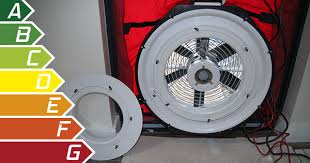
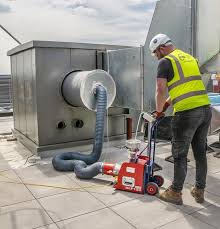
The Building air tightness test is performed by expert engineers with the help of blower door testing equipment also called as (big fans). The air tester installs the equipment to an external opening and uses the equipment put pressure over building using pressure differentials.
Following the initial method, the external air pressure then is made to flow through the openings as well as the cracks. Moreover, air testers can also utilize the Multi-fan blower door systems for the purpose of testing the air tightness of buildings that are commercial and large.
Final Words
Building air tightness testing is one of the most important requirements for building construction. So, it is always suggested and in the best interest of the everyone, that this test is performed properly and with the help of experts building air testers.

Comments
Post a Comment